
October 17, 2025
In today’s blog, we’re going to dive into a common issue that many athletes and fitness enthusiasts face; shin splints. If you’ve recently taken up running or increased the intensity of your workouts, and you’re experiencing pain along your shins, you’re not alone. This discomfort is especially common in new runners and those involved in high-impact sports.
You might have heard the term “shin splints” before, but what does it really mean? In this post, we’ll explore the different causes of shin pain and what steps you can take to manage and prevent it.
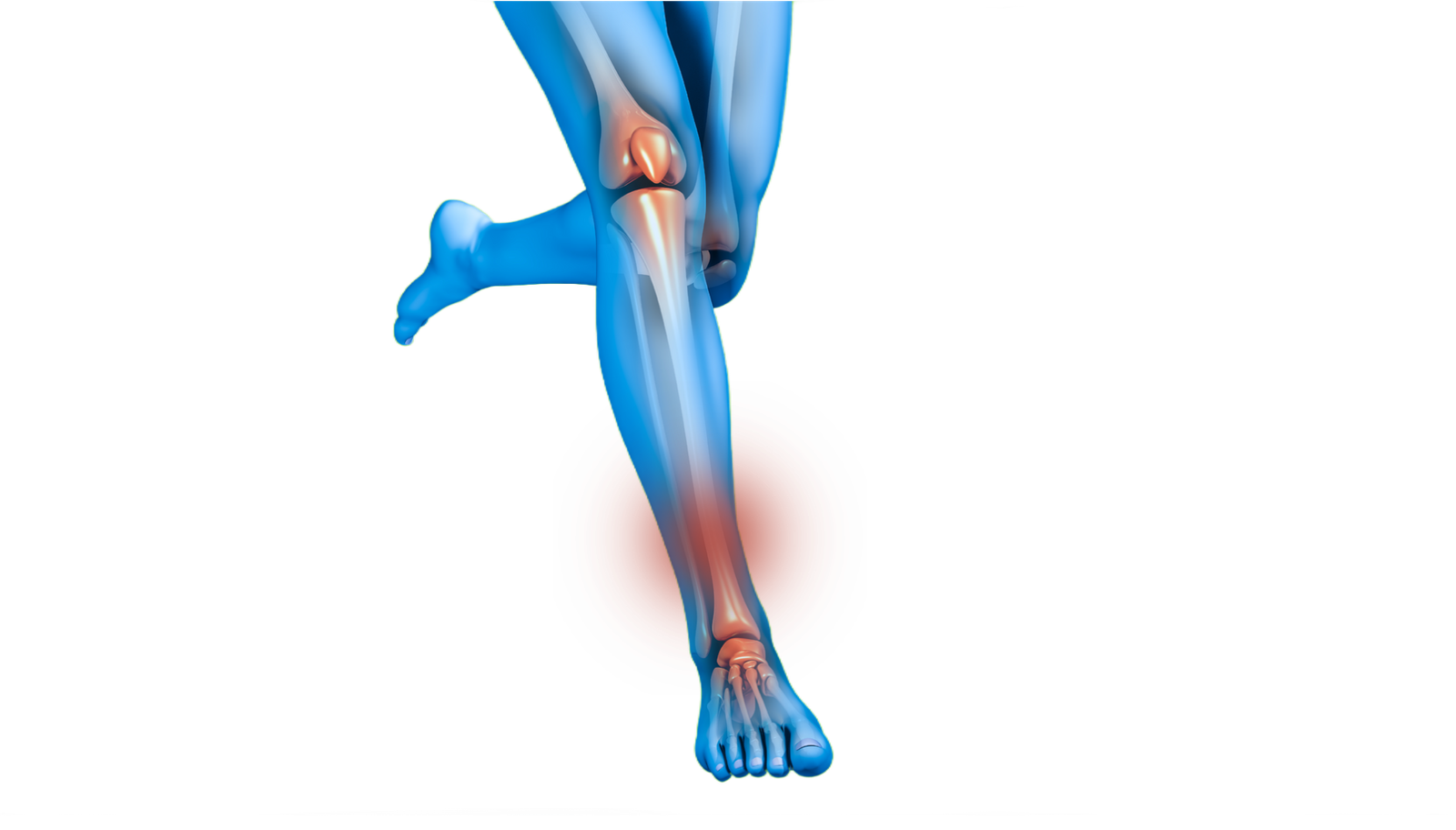
The term “shin splints” is commonly used to describe pain along the shinbone (tibia), but it’s actually an umbrella term that refers to a variety of conditions causing this discomfort. While the most well-known form is medial tibial stress syndrome (MTSS), shin splints can also include other issues like stress fractures or compartment syndrome. In essence, shin splints are not one single diagnosis, but rather a description of the location and type of pain you’re experiencing in your lower leg.
It’s important to note that shin pain can also result from other conditions, such as tendonitis (inflammation of the tendons around the shin) or even delayed onset muscle soreness (DOMS), which occurs after a particularly intense or unfamiliar workout. However, what sets shin splints apart is the persistent nature of the discomfort, which tends to develop with overuse and worsen over time if left untreated.
Shin splints can present differently depending on the individual and the specific underlying condition. Some may feel a dull, aching pain, while others might experience sharp or more intense discomfort. The pain typically develops along the inside edge of the shinbone, but the exact location and severity can vary. This makes it important to get an accurate diagnosis to determine the best treatment and prevention strategies. Here’s a breakdown of symptoms, though it’s important to note that this list is not exhaustive:
Shin splints can result from various factors, often related to physical activity and biomechanics. Here are some common causes:
Engaging in repetitive activities, particularly running or jumping, can lead to excessive stress on the shinbone and surrounding muscles.
Rapidly increasing the intensity, duration, or frequency of workouts can overwhelm the muscles and bones, leading to pain and inflammation.
Wearing shoes that lack proper support, cushioning, or are worn out can contribute to shin splints, as they fail to absorb impact effectively.
Running on hard or uneven surfaces, such as concrete or hills, can increase the impact on the legs and lead to discomfort.
Weakness or tightness in the muscles of the lower leg, hips, or core can alter running mechanics, increasing the risk of developing shin splints.
Structural issues in the feet, such as flat feet or high arches, can affect how forces are distributed during activities, potentially leading to shin pain.
Failing to properly warm up before physical activity can leave muscles unprepared for exercise, increasing the likelihood of injury.
Understanding these causes can help you identify risk factors and take preventive measures. If you experience shin pain, it’s essential to evaluate your training routine, footwear, and overall biomechanics to determine the best course of action.
Managing shin splints effectively involves a combination of rest, rehabilitation, and preventive measures. Here are some strategies to help alleviate pain and promote healing:
Take a Break: Allow time for your body to heal by temporarily reducing or avoiding activities that aggravate your shin pain.
Ice Therapy: Apply ice packs to the affected area for 15-20 minutes several times a day to reduce inflammation and numb pain.
Stretching and Strengthening Exercises: Work with a sports rehabilitation professional to develop a tailored exercise program that focuses on stretching tight muscles and strengthening weak ones.
Manual Therapy: Techniques such as massage or mobilization can help alleviate tension in the muscles and improve overall function.
Proper Shoes: Invest in supportive footwear designed for your specific activity. Ensure they have adequate cushioning and stability.
Orthotic Inserts: Custom or over-the-counter orthotics can provide additional support and help correct structural issues like flat feet or high arches.
Gradual Return: Once pain subsides, gradually reintroduce activities. Increase intensity and duration slowly to avoid overloading your muscles.
Cross-Training: Incorporate low-impact exercises, such as swimming or cycling, to maintain fitness without stressing your shins.
Gait Analysis: A professional can assess your running mechanics to identify any biomechanical issues that may contribute to shin splints and recommend appropriate interventions.
Warm-Up and Cool Down: Always include a proper warm-up before exercising and cool down afterward to prepare your muscles and promote recovery.
Strength Training: Regular strength training for the lower body can help improve muscle balance and reduce the risk of injury.
By taking these steps, you can effectively manage shin splints, promote healing, and reduce the risk of future episodes. If symptoms persist or worsen, seeking professional advice for a thorough evaluation is essential.
At Kinetix, we are dedicated to helping you manage and overcome shin splints. We will undertake a comprehensive assessments to identify underlying causes such as improper running mechanics and muscle imbalances and develop personalised treatment plans that include hands-on therapy, such as sports massage and manual therapy, to relieve tension and promote recovery.
In addition, we offer guidance on appropriate footwear and exercise recommendations to improve biomechanics and prevent future injuries. With ongoing support and progress monitoring, we’ll adjust your treatment plan as needed to ensure optimal results.
If you are experiencing shin pain, book in with us at Kinetix Rehabilitation. Visit our website at www.kinetixrehab.co.uk, or contact us directly at 07757115088 or via email at jack@kinetixrehab.co.uk Together, we can develop a plan that helps you get back to doing what you love, pain-free.
Thank you for reading our blog on shin splints. Stay tuned for more informative posts on injury prevention and rehabilitation.
Contact for a free online consultation...